
(PART 2)Beyond Broken Walls: How Poor School Infrastructure Affects Learning OutcomeS

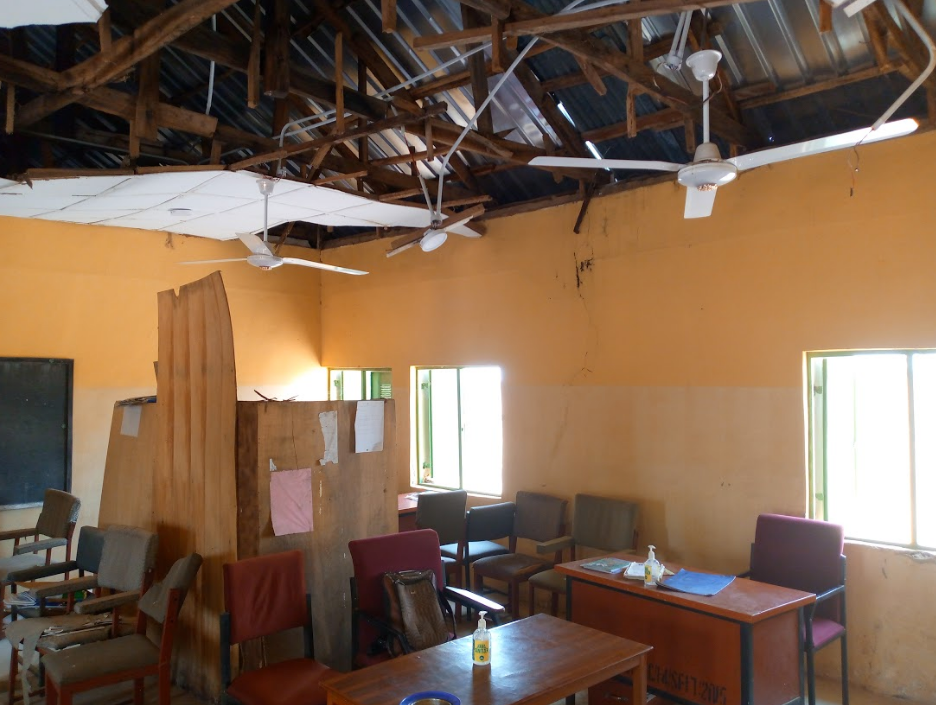
As we continue this week's focus on "Decaying Infrastructure in Nigerian Public Schools: A Silent Crisis Threatening Learning and Safety," it is important to move beyond the visible signs of deterioration and examine their direct impact on educational outcomes. While collapsing buildings, leaking roofs, and dilapidated facilities often make headlines, the deeper concern lies in how these conditions affect teaching, learning, attendance, motivation, and overall academic achievement.
When discussions arise about educational quality, attention often focuses on curriculum, teachers, examinations, and technology. Yet one critical factor frequently receives less attention: the physical condition of the learning environment.

Decaying infrastructure affects education in ways that extend far beyond aesthetics.
Imagine a classroom with a leaking roof during the rainy season. Lessons are interrupted as learners shift seats to avoid rainwater. Books get damaged. Teachers struggle to maintain concentration among pupils. Valuable instructional time is lost.
Now imagine a classroom with poor ventilation and overcrowding. Learners become uncomfortable, fatigued, and distracted. Teachers expend more energy managing the environment than delivering instruction. Learning effectiveness declines.
Studies conducted globally have linked poor school facilities to:
▪️Reduced student attendance
▪️Lower academic performance
▪️Increased teacher absenteeism
▪️ Higher dropout rates
▪️ Reduced learner motivation
▪️ Greater health and safety risks
In Nigeria, many schools operate with inadequate furniture, insufficient classrooms, poor sanitation facilities, and deteriorating structures. Girls are particularly affected where safe and hygienic sanitation facilities are lacking, contributing to absenteeism and reduced participation.
The Ogun State school collapse reminds us that infrastructure challenges are not merely maintenance issues. They are educational quality issues. Every cracked wall, leaking roof, broken toilet, and overcrowded classroom directly influences the learning experience.
Educational transformation requires more than policy documents and curriculum reforms. It demands investment in the environments where teaching and learning actually take place.
Quality education cannot be separated from quality learning spaces.
💥 Key Reflection
A child struggling to learn in an unsafe or unhealthy environment is already at a disadvantage before the lesson even begins.
#RubiesHub #EducationForTransformation #LearningEnvironment #SchoolInfrastructure #QualityEducation #SDG4
©️ RubiesHub


Comments