
Decaying Infrastructure in Nigerian Public Schools: A Silent Crisis Threatening Learning and Safety(CONCLUSION)

PART 3: Rebuilding Nigeria's Public Schools: From Emergency Response to Sustainable Action
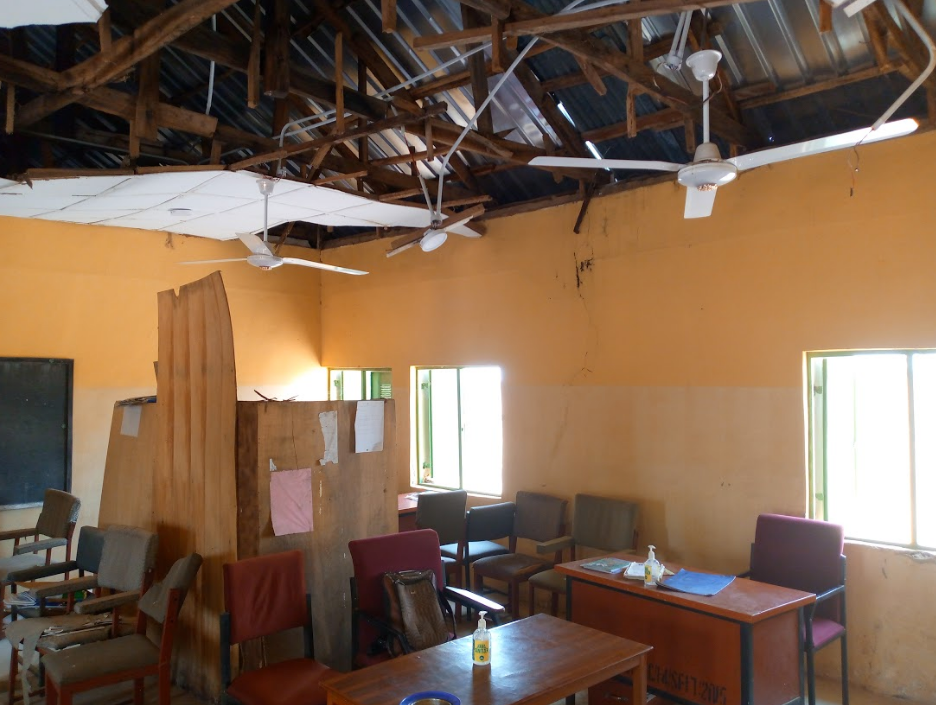
Throughout this week, we have examined the silent crisis of decaying infrastructure in Nigerian public schools; from the dangers posed by neglected facilities to the profound impact unsafe learning environments have on teaching and learning outcomes. The recent school building collapse in Ogun State serves as a painful reminder that school infrastructure is not merely a physical concern; it is a matter of safety, educational quality, and national development.
As we conclude this series, the focus shifts from identifying the problem to exploring sustainable solutions. Beyond emergency responses and temporary public outrage, Nigeria must embrace a proactive approach that prioritizes prevention, accountability, regular maintenance, and community involvement. Safe schools do not happen by chance; they are the result of deliberate planning, sustained investment, and collective responsibility.
After every school-related tragedy, public attention rises temporarily. Investigations are launched. Committees are formed. Promises are made. Yet, after a few weeks, attention shifts elsewhere while underlying problems remain unresolved.
Nigeria must move beyond reacting to disasters and begin preventing them.
The recent building collapse in Ogun State should prompt a nationwide conversation on school infrastructure audits and preventive maintenance. Rather than waiting for structures to fail, governments should establish regular assessments of all public-school facilities to identify potential risks before they become disasters.

Several practical steps can help address the challenge:
1. Conduct Nationwide Infrastructure Audits
Every public school should undergo periodic structural assessment by qualified professionals to determine safety levels and maintenance needs.
2. Prioritize Maintenance, Not Just New Construction
Maintaining existing facilities is often more cost-effective than rebuilding after years of neglect.
3. Strengthen Accountability Systems
Funds allocated for school infrastructure should be transparently managed and regularly monitored to ensure projects meet required standards.
4. Engage Communities
Parents, alumni associations, School-Based Management Committees (SBMCs), traditional institutions, and community leaders can help monitor facility conditions and advocate for timely interventions.
5. Create Safe Learning Standards
Minimum safety standards should be enforced for all public schools, including structural integrity, sanitation, accessibility, ventilation, and emergency preparedness.
The future of education depends not only on what happens inside classrooms but also on the condition of the classrooms themselves.
Children cannot learn effectively in fear. Teachers cannot teach optimally in unsafe environments. Communities cannot prosper when educational facilities are allowed to deteriorate.
The time has come to treat school infrastructure as a national educational priority rather than an occasional emergency.
Final Reflection
The true measure of our commitment to education is not the speeches we make, but the safety and dignity of the spaces where our children learn every day.
©️ RubiesHub


Comments